Little fish will grow big - We Did It
A pioneering and enterprising school
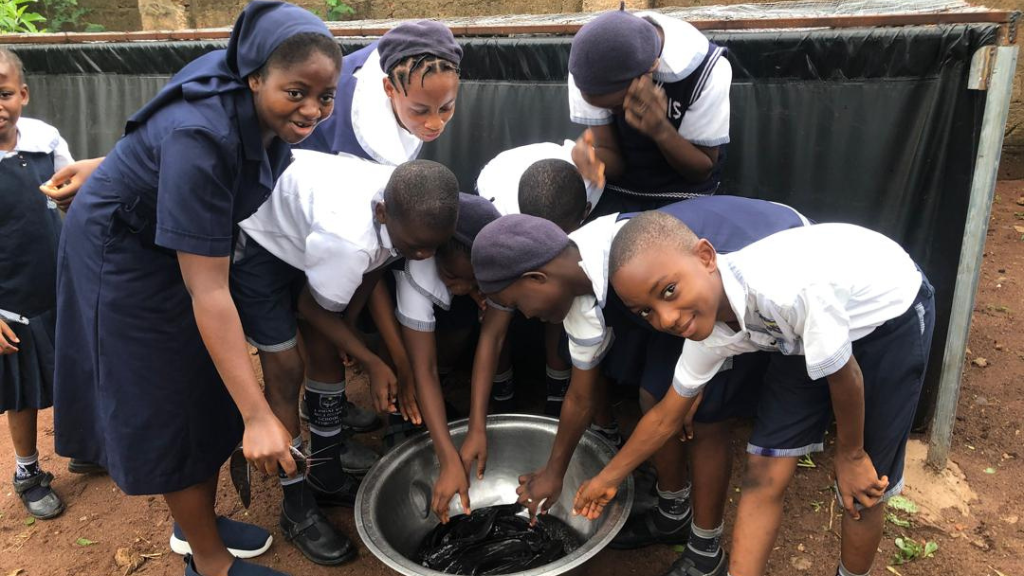
The Lindalva Inclusive School, in Benin City, Nigeria – a very poor region – welcomes children with and without disabilities. The Daughters of Charity and the teaching staff are constantly seeking resources to ensure the school’s long-term future and to improve the living conditions and health of their pupils and their families.
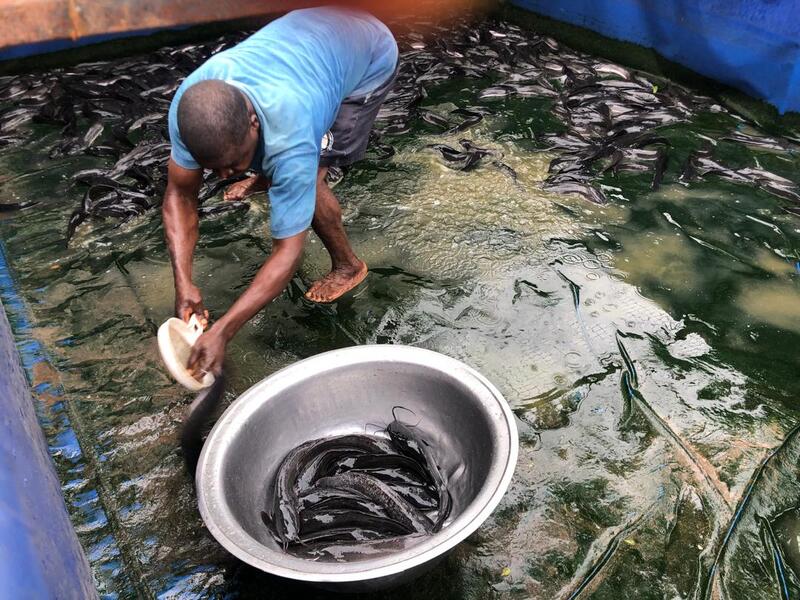
The ‘Little Fish Will Grow Big’ project aimed to expand the school’s small fish farm so that it could provide protein-rich fish sustainably and at an affordable price.
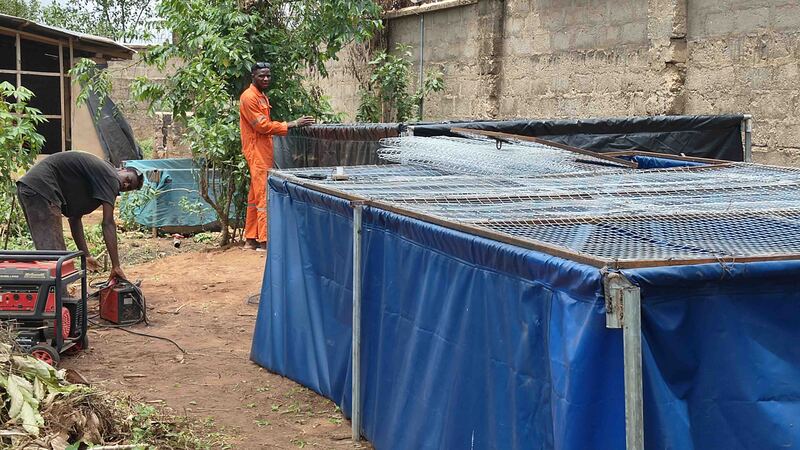
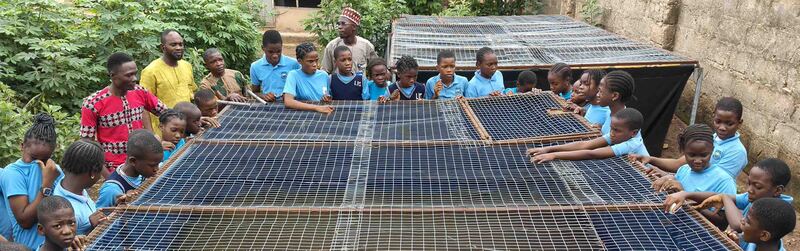
Within a few months, three plastic ponds were built, an efficient water and drainage system was installed, and 5,000 fingerlings were stocked. The purchase of high-quality feed and equipment such as nets ensured optimal growing conditions for the fish. Finally, the installation of solar-powered lighting enabled the fish to be stored reliably.
A fish farm that goes far beyond simply providing better nutrition at school
It forms part of a broader vision to support the most disadvantaged. The expansion of the fish farm has created jobs. Young adults with disabilities are being trained in fish farming techniques (feeding, health monitoring, record-keeping) and are now taking on responsible roles, earning a living with dignity.
The fish is sold at deliberately affordable prices, prioritising poor families and parents of children with disabilities, providing them with regular access to high-quality protein.
And the income from these sales helps to fund the schooling of several children.
“This project has also strengthened the links between the school and the community, raised awareness amongst local people of the importance of inclusion, and restored dignity and hope to entire families.” Sr Martha
Miriam’s story: a new lease of life
Abandoned by her family and wrongly accused of being possessed due to harmful beliefs, Miriam had been chained up and deprived of food for months. When the sisters found her, she was severely malnourished and unable to walk unaided.
“Miriam was put on a high-protein diet thanks to the fish from the project. Little by little, she regained weight and became calmer. Today, she smiles often, holds her spoon and claps her hands with joy. She is even starting to stand up unaided and dances at school gatherings – a huge step forward!” explains Sr Martha
In total, 370 people are benefiting directly or indirectly from the project: 250 disadvantaged children or children with disabilities now have access to nutritious food, and 120 vulnerable adults (young people who have dropped out of school, widows, people with disabilities, and victims of violence or trafficking) have regained a source of work, an income and a place in local life.
A collective and sustainable success
The project was able to run without any major difficulties, thanks to a dedicated team and the invaluable advice of parents with experience in fish farming. Thanks to your support, it is now financially self-sufficient.
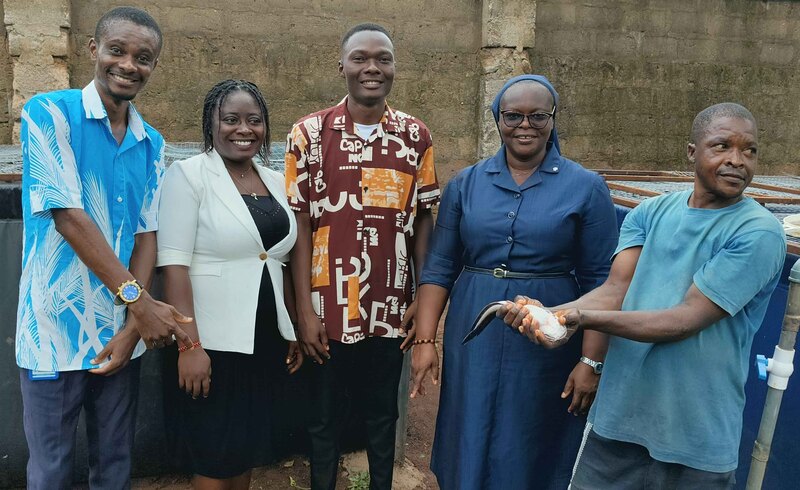
This success is a testament to the thoroughness of the initial planning and the commitment of all those involved at a local level – from the sisters to the families, including the young people trained on site: a community growing ever closer in its commitment to inclusion!
“This project is much more than just a fish farm: it is a real lifeline for children like Miriam; it is an economically self-sustaining project that continues to grow day by day, to feed, care for, and restore dignity and a future to the most vulnerable.” Sr Martha
Thank you for believing in projects on a human scale which, day after day, transform lives.
Read also
Ground connection - We Did It
A safe shelter within our walls - We Did It