Garden here, children from elsewhere- We Did It
Chile is home to many refugees who have fled violence, political persecution, and dire economic conditions in their home countries in South America and the Caribbean.
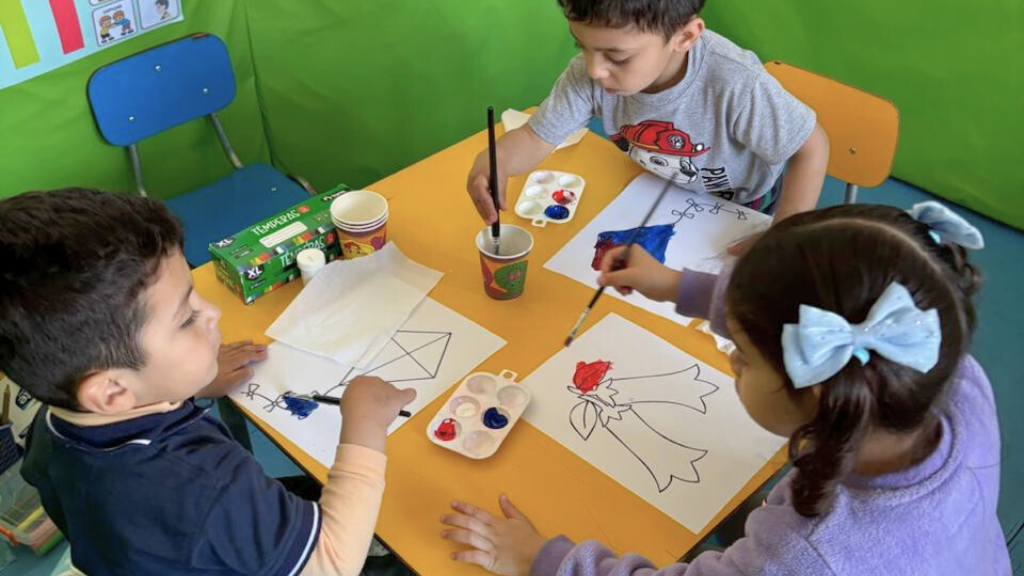
The “Garden here, children from elsewhere” project, based in the capital city of Santiago, aims to assess, treat, and support young children aged 2–4 at the “Regacito Intercultural Preschool” who live in conditions of poverty, social exclusion, and violence, and who have experienced trauma.
“What children experience during the early years of their lives can have an impact on their overall development.” Sr Cristina
Occupational Therapy in Preschool Education: An Emerging Field
The project began with an assessment of the specific educational needs of the young children at this preschool, which was founded by the Daughters of Charity in 1966. To address these needs, the educational team decided to hire a specialized professional—an occupational therapist—for the 2025–2026 school year.
The teaching staff and the occupational therapist had to develop the assessment tools, observation guidelines, interviews, and intervention plans necessary for the project’s implementation. The occupational therapy program covers all four kindergarten grades (two middle-grade levels and two upper-grade levels).
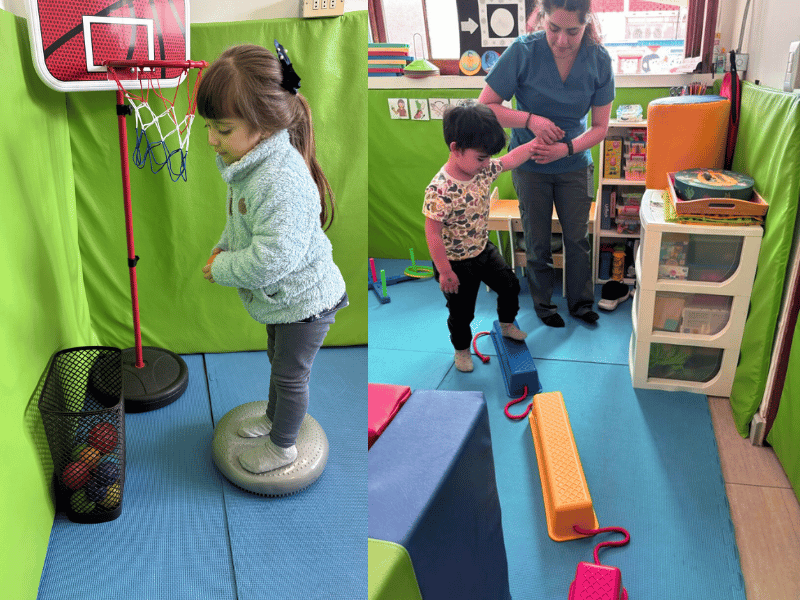
Next, interviews and observations conducted in the occupational therapy room helped identify children who exhibit difficulties in sensory processing, gross and fine motor skills, self-regulation, attention, and independence in activities of daily living. Children at risk of developing these difficulties were also identified as a preventive measure.
With this information, the families were invited to a meeting to learn about the goals of the occupational therapist’s intervention, understand the rationale behind it, and ask questions. This allowed the families to give their informed consent.
Once this important phase was completed, the interventions began. Depending on the goals set for each child, they include:
- individual sessions in the occupational therapy room
- support in the classroom during learning activities
- and collaboration with the teaching staff.
Finally, two midyear reports detailed the progress made, the challenges ahead, and the goals to be set for 2026.
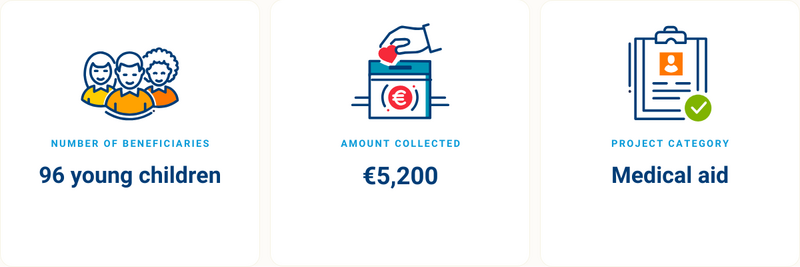
Occupational therapy directly benefited 17 children (10 boys and 7 girls), representing 17.7% of the total student body (96 students).
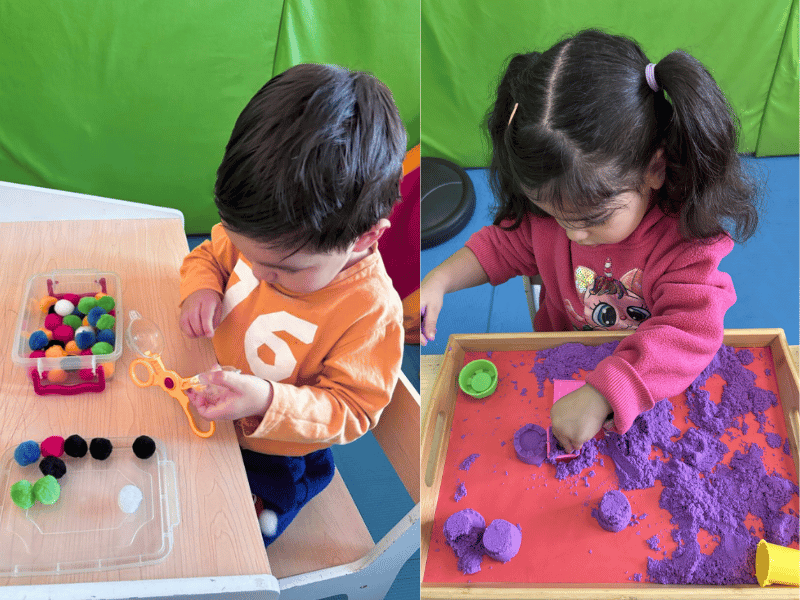
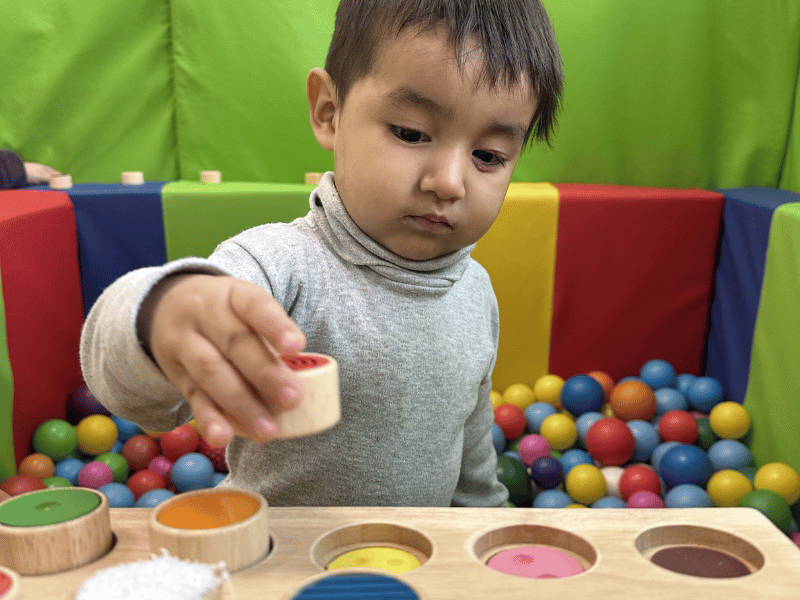
Emma's Story: The Benefits of Occupational Therapy
Emma's assessment revealed delays in her psychomotor development, difficulties interacting with other children, limited verbal language, and issues with gross and fine motor skills, as well as emotional challenges, which made it difficult for her to participate in games.
All of this prevented her from performing at her best in the classroom and on the playground.
Through regular sessions in the occupational therapy room, Emma worked on specific skills.
She successfully developed gross motor skills (postural control, dynamic and static balance, etc.) by sitting in a functional manner and applying the necessary force to perform movements.
For example, in terms of her fine motor skills, she is able to use a pincer grip appropriate for her age, employing various materials for coloring, cutting, and filling in.
Socially, she has modeled and supported interactions with her peers and has made significant progress, as she is now able to interact with other young children in an effective, collaborative, and, above all, respectful manner. Previously, Emma tended to exhibit selfish and unempathetic behaviors during play, linked to a limited understanding of language.
A positive impact on the preschool teaching staff and families
The team received guidance, technical support, and practical strategies, thereby strengthening inclusive practices and those that support child development.
Among the 17 families, some mothers, fathers, and/or guardians did not respond to the urgent need for the occupational therapist’s assessment, which delayed specialized care. To address this, psychoeducational efforts targeting families were intensified to explain the importance of early intervention for children’s overall development and to help support care at home.
“Overall, the project has enabled early, systematic, and specialized support, helping to improve the participating children’s opportunities for engagement and learning, as well as strengthening the capacity of the educational and family environments.” Sr Cristina
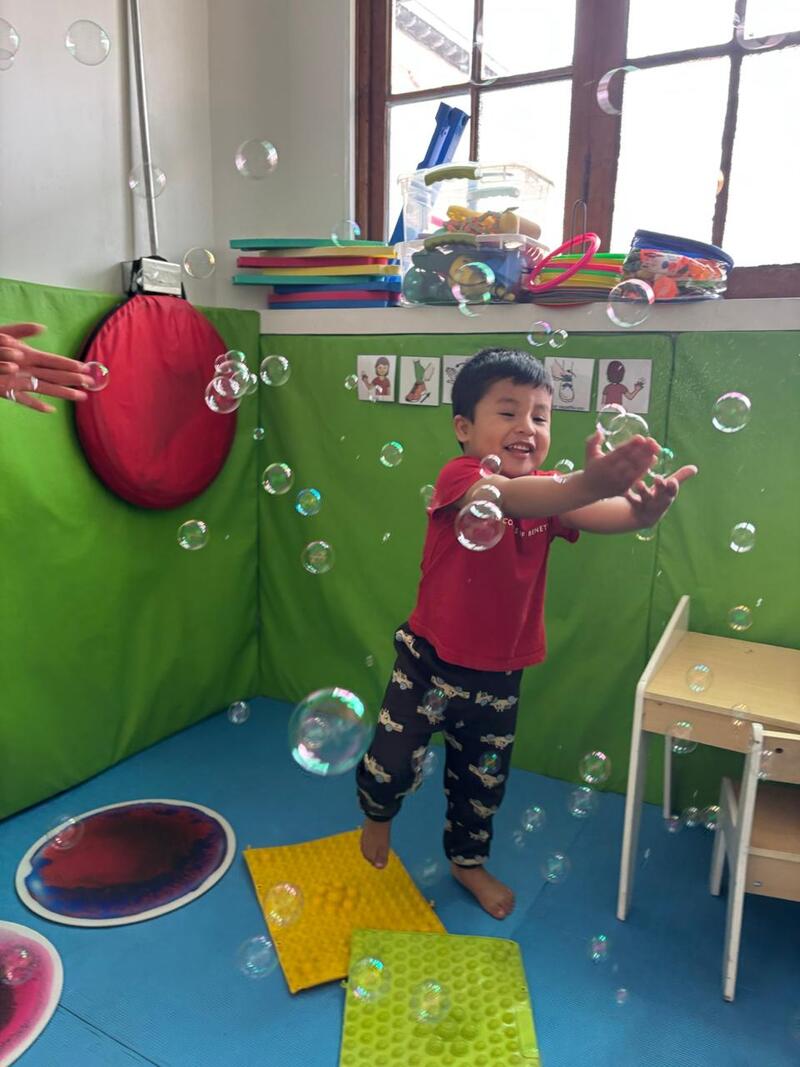
Continuation of the project in 2026
The initial funding from the Emmanuel Foundation in Santiago, Chile, covered the occupational therapist’s salary for the first few months, as well as the purchase of educational materials to equip the classroom in 2020.
“Thanks to the Rosalie Projects and our generous donors, we are able to cover the occupational therapist’s salary through July 2026. After that, the project will continue to be implemented using our own funding for the remainder of 2026.” Sr Cristina
Read also
Ground connection - We Did It
A safe shelter within our walls - We Did It