Singing tomorrows - We Did It
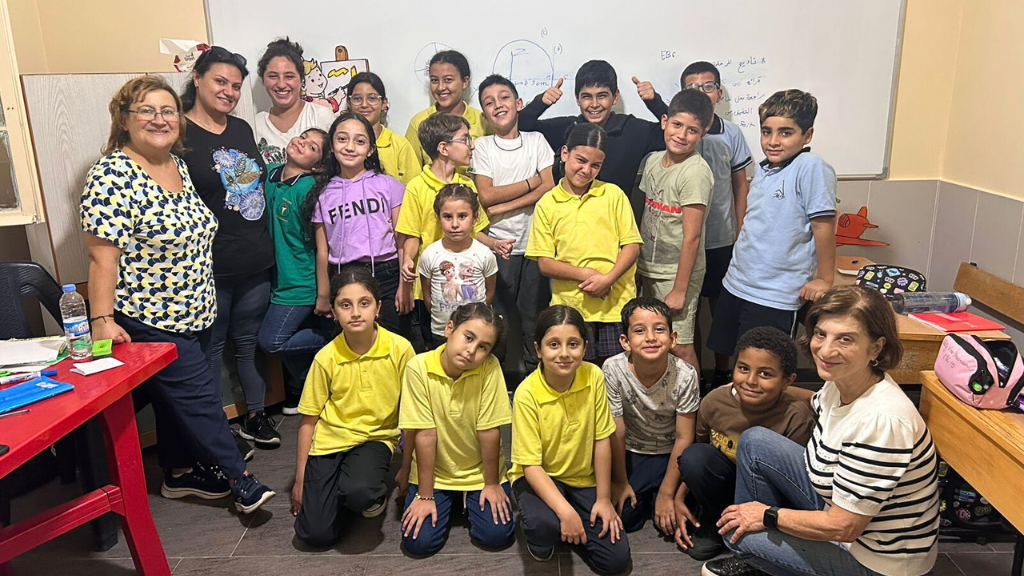
Faced with the deep crisis affecting Lebanon, the Daughters of Charity continue to provide practical and sustainable support to particularly vulnerable populations. In Beirut, the "Singing tomorrows" project aimed to promote children's education and women's health.
To launch this project, the sisters began by:
- recruiting two qualified and committed teachers, ready to support the children with patience and kindness
- calling on a gynaecologist to ensure professional and regular medical care for the women beneficiaries
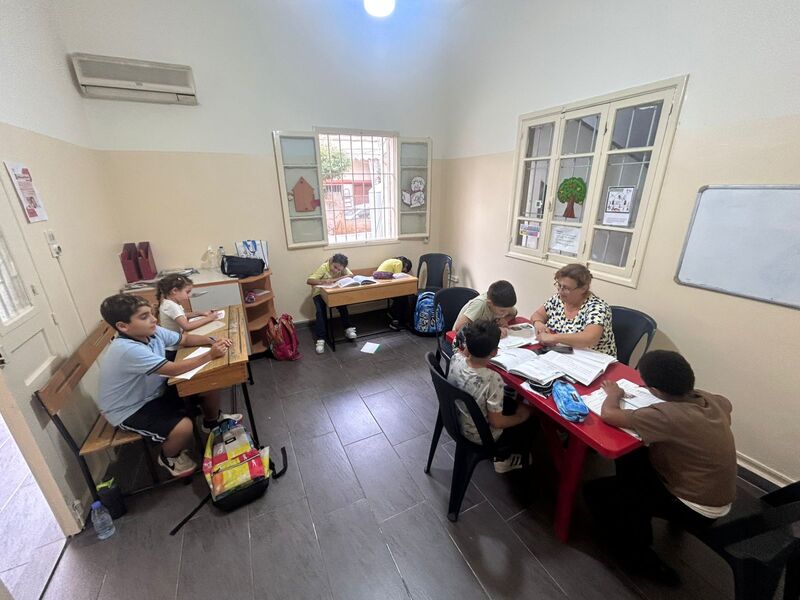
- providing premises dedicated to evening study and medical consultations, spaces where people can learn, receive treatment and feel confident.
Reviving children's enthusiasm for learning
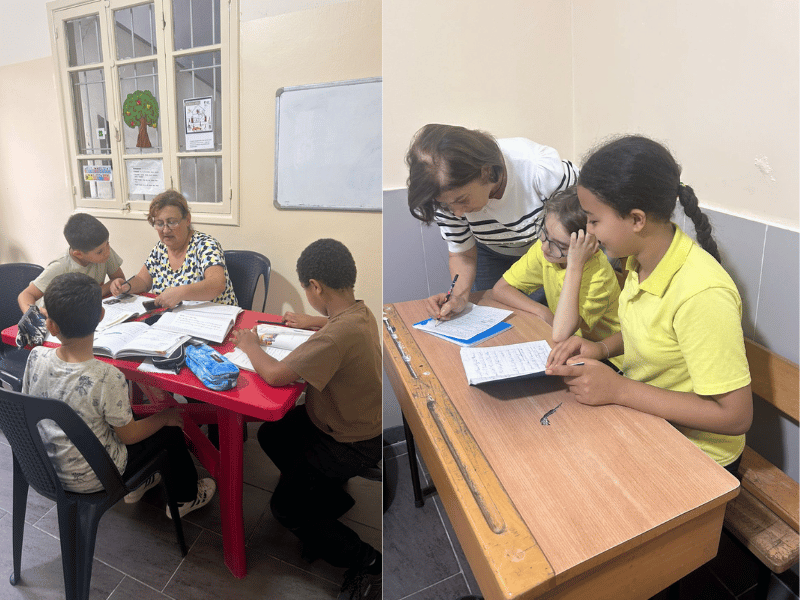
Divided into two groups, 15 children participate in evening study sessions five times a week for nine months, corresponding to the school year (until June 2026). In this calm and supervised space, they do their homework, ask questions, and reinforce concepts they did not learn at school. Many arrived discouraged, convinced that they were ‘not capable.’ Little by little, their grades are improving, their view of themselves is changing, school is no longer a source of anxiety, and above all... they are regaining their self-confidence.
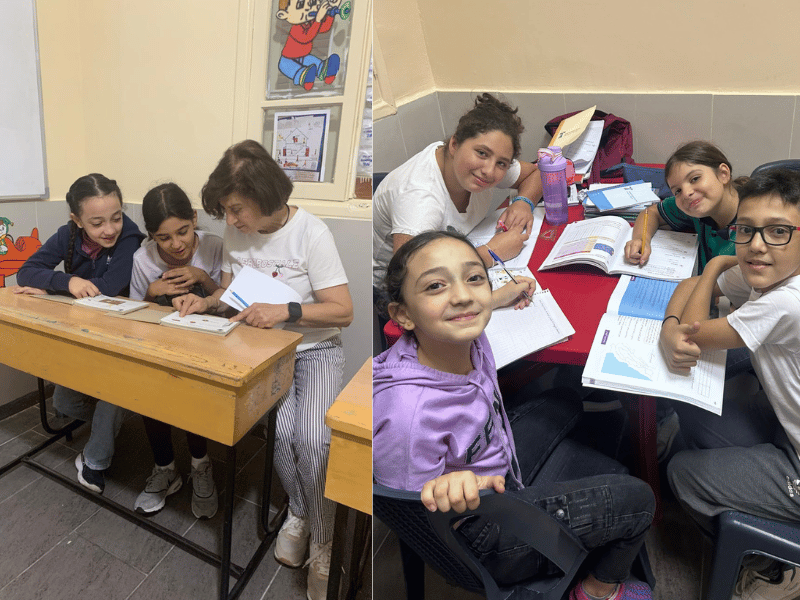
Thanks to regular monitoring of attendance and academic progress, many children have undergone a remarkable transformation.
Sr Rita recounts: "An 8-year-old child is a striking example. Struggling at school, isolated, often mocked by his classmates, he found school a daily ordeal. After several months in the programme, his progress was remarkable. One day, he simply came up to me and said, “Thank you for helping me. Now I'm doing better at school and my friends don't make fun of me anymore.”
Caring for women, prevention rather than cure
The health component of the project involves 50 women, each receiving three gynaecological consultations over the course of the year, with a particular focus on listening, support and raising awareness of women's health issues. If necessary, additional tests (mammograms, ultrasounds) are prescribed to promote early detection and prevention. These consultations are not only medical: they are also opportunities to listen, show respect and provide reassurance. Many women report feeling secure and relieved about their health.
The consultations have enabled continuous medical monitoring and appropriate preventive screening. Some women have discovered tumours at an early stage, allowing for rapid treatment and avoiding serious complications.
Difficulties encountered and adjustments made
Working in a crisis context involves many challenges. The sisters must find solutions.
The study room, affected by damp problems, did not offer good conditions for the children. It had to be renovated, which required additional funding.
The cost of medical examinations has risen sharply, forcing a readjustment of the budget to continue to guarantee care. In addition, in the summer, many beneficiaries leave the region, requiring adjustments to the consultation schedule to accommodate their return in the winter.
An impact that extends beyond direct beneficiaries
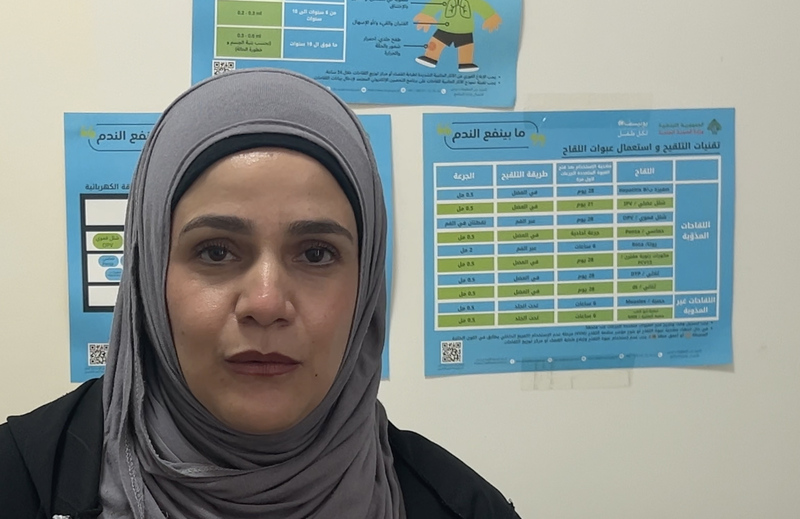 "My children Hamdi and Jana are very happy at the study centre. The teachers work wholeheartedly, and the centre's services are excellent. My children's educational and intellectual levels have improved, especially Hamdi's, thanks to the speech therapy.
They go to the study centre full of energy and enthusiasm for learning because the atmosphere is warm and welcoming, and they feel at home there. I am extremely grateful to the staff at the study centre and the centre itself, and especially to the donors. Our family's financial situation is difficult; it is an obstacle that prevents us from being able to offer private lessons to our children, and the study centre has solved this problem."
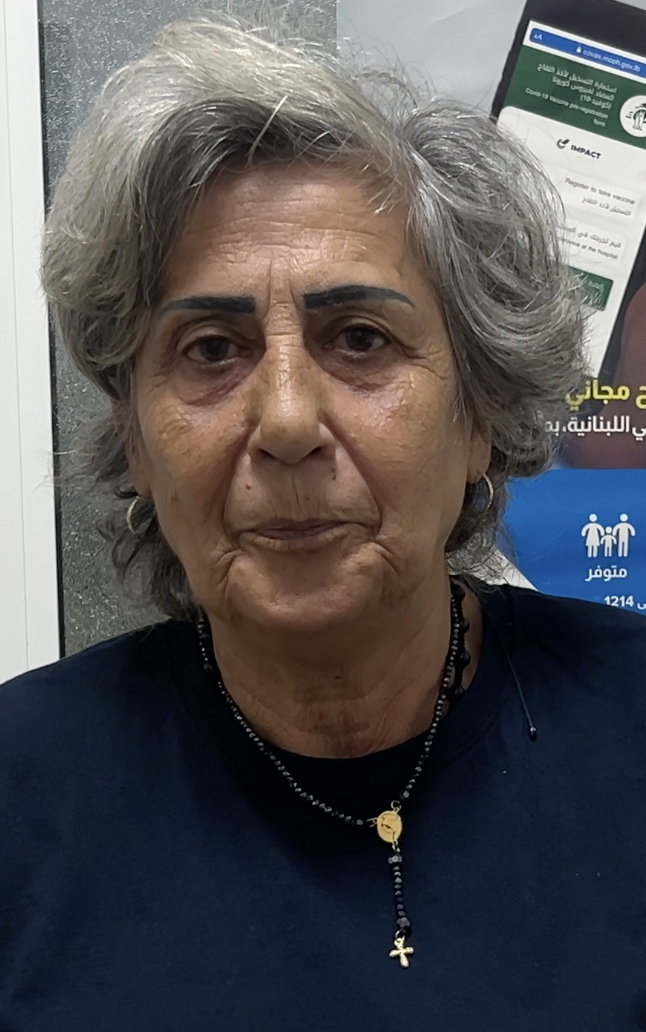
Nazha, Celesty's grandmother: "She has been attending the study centre for four years. Everything is going very well: her school results are excellent and she is improving every year. The teachers work meticulously with the pupils and make sure that none of them go home without having fully understood their lessons. I am not in a position to help her with her studies, so I am deeply grateful for this service."
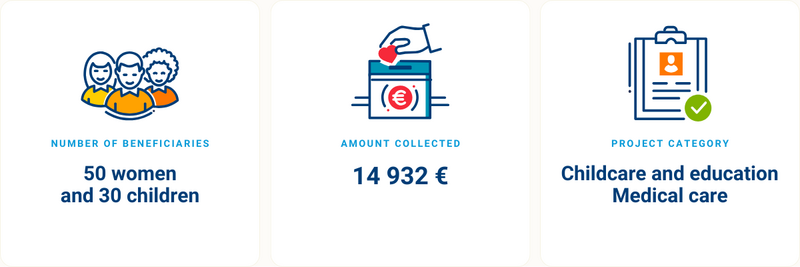
In addition to the direct beneficiaries (15 children, soon to be 30, and 50 women), the project's impact extends to their families. This project acts as a real lever for collective resilience in a context of deep crisis.
The project partners




Read also
Smiles in Koussieh - We Did It
In my children's choir - We Did It